
A patient lift, also known as a nursing transfer hoist, is an assistive device designed to help individuals with limited mobility safely transfer between a bed, wheelchair, sofa, and toilet. It typically consists of a base, a boom arm, an electric or hydraulic lifting system, and a load-bearing sling. A nursing transfer hoist can be operated by a single person, effectively preventing back injuries to caregivers while ensuring a more comfortable and dignified experience for the person being cared for.
So, when do you actually need a patient lift? The following scenarios are the most typical:
1. Bedridden Elderly with Long-Term Disabilities
Seniors who are bedridden due to stroke, post-fracture surgery, Alzheimer's disease, or other conditions require assistance for daily activities such as toileting, bathing, and getting in and out of bed. A patient lift eliminates the need for high-intensity actions like lifting, carrying, and hoisting, significantly reducing the risk of lumbar injuries to caregivers.
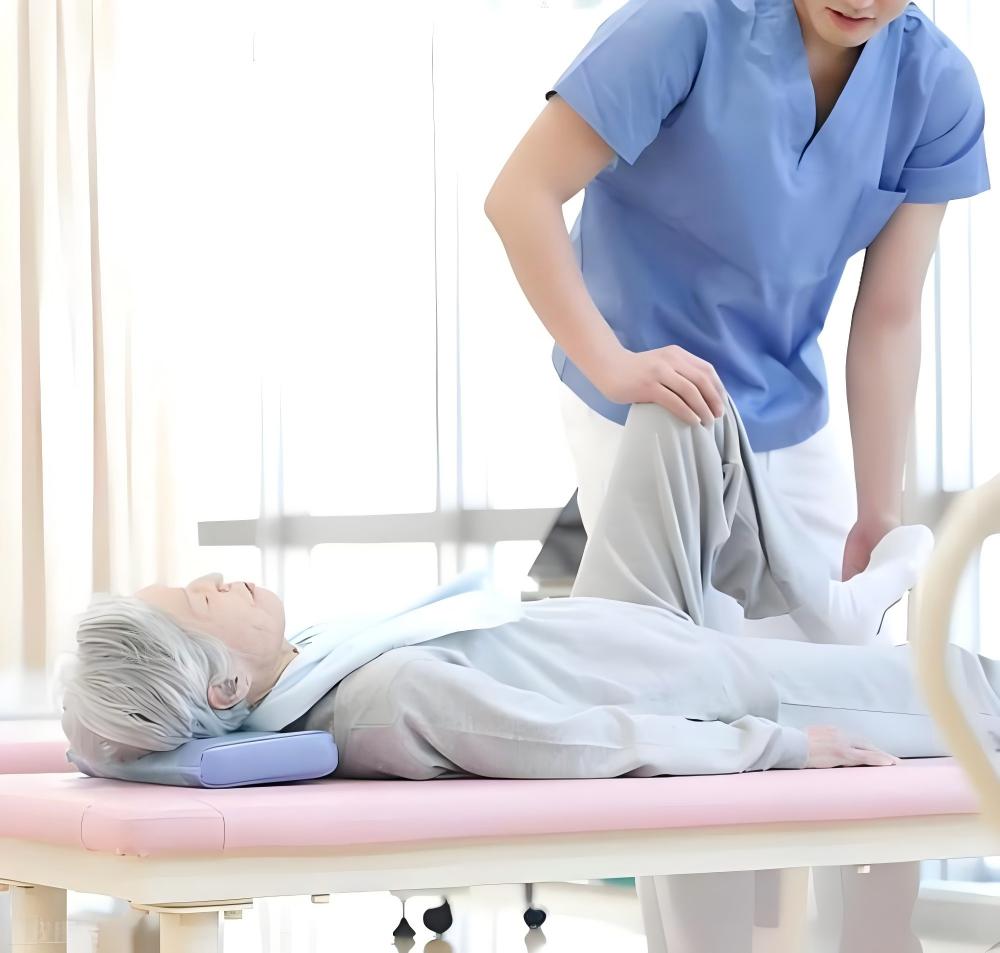
2. Patients in Post-Surgical Recovery
After hip replacement, knee surgery, or spinal procedures, patients are unable to bear weight on their own. A patient lift enables gentle, smooth repositioning, preventing secondary injury to the surgical site while also easing the psychological burden on family caregivers.
3. Nursing Homes & Rehabilitation Facilities
For institutions with dedicated wards for incapacitated seniors or rehab rooms, a patient lift is virtually a standard piece of equipment. It not only improves care efficiency—tasks that once required two or three aides can now be handled by one person—but also significantly reduces workplace injury rates and enhances the facility's overall professional image.
4. Home Care for Ordinary Families
Many families opt to rent or purchase a patient lift, especially during the few months of a family member's post-surgical recovery. Compared to relying purely on manpower, a monthly rental of a few hundred yuan or a one-time purchase of a few thousand yuan is far less than the medical costs and lost wages resulting from a caregiver injury.
5. Caregiving Scenarios Involving Heavier Individuals
When the person being cared for weighs over 70 kg—or even 100 kg or more—safe transfer by manpower alone is nearly impossible. Patient lifts typically have a rated capacity of 150 kg or higher. Using machinery instead of muscle is both effortless and safe.
6. Tight Spaces Requiring Flexible Operation
Modern homes and hospital rooms often have limited space, making it difficult to maneuver a bulky wheelchair or coordinate a multi-person transfer. Foldable or slim-profile patient lifts can easily pass through standard doorframes and operate flexibly in confined areas such as bathrooms and bedside spaces.
Choose CareAge — Safe Transfers, Every Time
If you're struggling with the question of "how do I safely move my loved one?", a reliable patient lift is the best solution.
CareAge has been specializing in patient lift manufacturing for over twenty years. Our products are certified under ISO 13485, CE, FDA, and other international standards, and are exported to more than fifty countries and regions worldwide. Whether for home use, bulk procurement by nursing homes, or equipment for rehabilitation facilities, CareAge delivers stable, safe, and proven products.
In addition, we offer OEM/ODM customization—from colors and sling styles to functional configurations—all tailored to your needs, helping your brand quickly enter the assistive care device market.
For more product information or partnership opportunities, feel free to send us a DM or get in touch directly.